

Supercharge Your ROI: How the OBBBA Unlocks Automation’s Value
Automation
January 28, 2026
Automation
January 28, 2026
Investing in automation is one of the most powerful moves a manufacturer can make to boost efficiency, increase output, and secure a competitive edge. However, the upfront capital required can be a significant hurdle. A landmark piece of legislation, nicknamed the “One Big Beautiful Bill” (OBBBA), has changed the financial equation, making it easier and more affordable for American businesses to modernize their operations.
This bill introduces powerful tax incentives designed to stimulate investment in new equipment and facilities. This post will break down the key financial benefits of the OBBBA for companies purchasing automation. We’ll explore how its provisions for depreciation, expensing, and deductions can dramatically lower costs, improve cash flow, and accelerate your journey toward a smarter, more productive future.
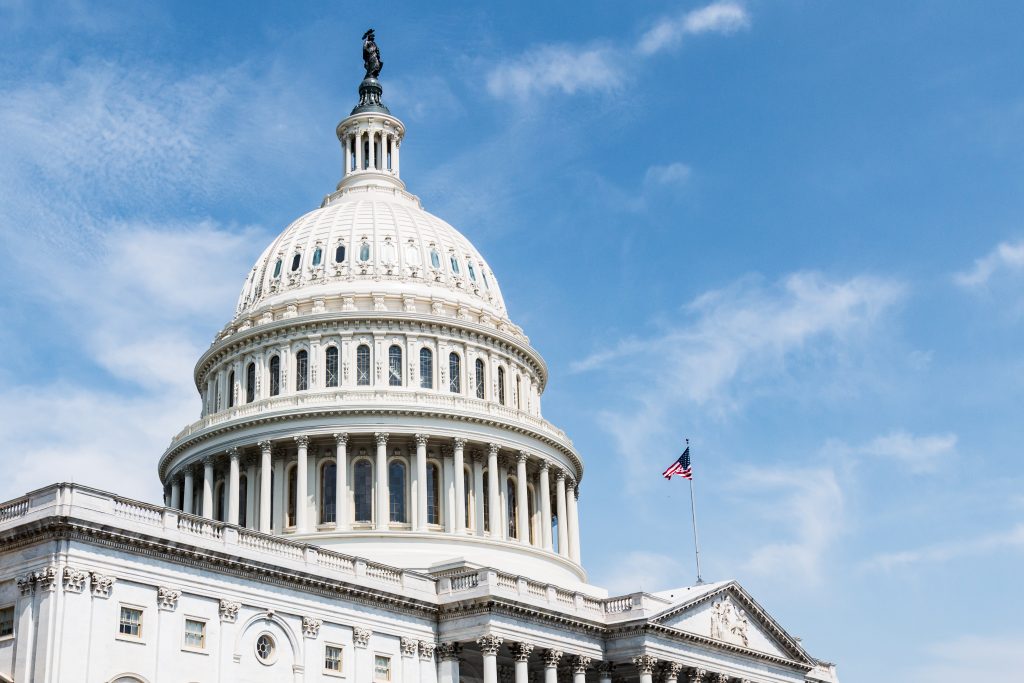
The OBBBA is a legislative package that includes pro-business provisions aimed at encouraging domestic investment and strengthening the U.S. manufacturing sector. It achieves this by reintroducing and enhancing several critical tax provisions that directly impact capital expenditures. For businesses considering automation—from robotic arms and conveyance systems to complex integrated packaging lines—the bill’s financial incentives are a game-changer.
Let’s examine the specific components of the bill and what they mean for your bottom line.
One of the most significant advantages of the OBBBA is the permanent restoration of 100% bonus depreciation. This allows your business to deduct the full cost of qualifying new and used equipment in the year it is placed into service.
Instead of depreciating the asset’s value over several years, you get an immediate, full write-off. This provides a substantial upfront tax saving that directly improves your cash flow.
How It Works:
Imagine your company invests $1 million in a new automated packaging system. Under previous depreciation schedules, you might only deduct a fraction of that cost in the first year. With 100% bonus depreciation, you can deduct the entire $1 million from your taxable income in year one. This immediately frees up capital that can be reinvested into other areas of your business, from hiring to further innovation.
The OBBBA significantly raises the limits for Section 179 expensing, a provision that has long been a favorite of small and mid-sized businesses. This tax code section allows companies to expense the full purchase price of qualifying equipment.
The bill increases the maximum deduction to $2.5 million, a substantial jump from previous levels. Additionally, the phase-out threshold—the point at which the deduction begins to decrease—has been raised to $4 million. This expansion makes the benefit accessible to a wider range of businesses making larger investments.
The Impact for Your Business:
This higher cap means you can undertake more ambitious automation projects while still taking full advantage of immediate expensing. A mid-sized manufacturer can now invest in a comprehensive, multi-million dollar system and write off a significant portion, if not all, of the cost in the same year. This dramatically lowers the after-tax cost of modernization and makes larger-scale projects far more feasible.
For asset-heavy operations that often finance large equipment purchases, interest expenses can be substantial. The OBBBA provides relief by changing how the business interest deduction is calculated. It reverts the formula to an EBITDA (Earnings Before Interest, Taxes, Depreciation, and Amortization) standard.
Because depreciation and amortization are added back into the earnings figure, the base for calculating your allowable interest deduction becomes larger. This means you can deduct more of your interest expense, lowering your overall tax liability. This is particularly beneficial for companies financing major automation and infrastructure upgrades.

Automation projects are not just about hardware; they often involve significant research and development. This can include costs for process improvements, software development, prototyping new workflows, and integrating systems.
Previously, these R&D expenses had to be amortized over five years. The OBBBA restores the ability to immediately expense 100% of domestic R&D costs. This encourages innovation by reducing the tax burden associated with developing and implementing cutting-edge automation solutions. You can now deduct the full cost of a pilot program or a custom software integration in the year the expense is incurred.
Beyond the machinery itself, the OBBBA incentivizes the construction and improvement of the buildings that house your operations. The bill introduces a 100% deduction for new Qualified Production Property (QPP).
This covers investments made in building new domestic manufacturing facilities or making significant upgrades to existing ones. Crucially, this can include foundational infrastructure that supports automation, such as conveyor systems, material handling platforms, and other structural components of an integrated facility. This provision encourages companies to think holistically about modernization, from the structure itself to the equipment within it.
The Practical Advantages for Your Business
These tax provisions translate into tangible, strategic benefits that empower your company to grow and compete.
Seize the Financial Advantage
By leveraging 100% bonus depreciation, expanded Section 179 expensing, and other key deductions, your business can significantly reduce the cost of automation, boost cash flow, and fast-track its journey to becoming a more efficient and competitive operation. Now is the time to evaluate your automation strategy and capitalize on these powerful financial tailwinds.

You are now leaving the Ranpak website. The website you will be entering is not owned or operated by Ranpak and/or its subsidiaries. The content, products and information contained on third party websites are not owned or controlled by Ranpak and/or any of its subsidiaries. Therefore, Ranpak makes no representations about, does not endorse or adopt, and is not responsible or liable for damages relating to the third party, its products or services, its website, its privacy policies or practices, or the content of the third party website.

