

Next-Gen Paper Converters: Better Cushioning, Smarter Packing
Cushioning
November 13, 2025
Cushioning
November 13, 2025
Since 1972, Ranpak has focused on one core idea: paper can do more. What began with a patent for folding and stitching kraft paper into a protective material became a foundation for decades of packaging innovation. The principle has always been straightforward: Paper is strong, adaptable, and sustainable, and with the right packaging converters it transforms into a protective cushioning material that withstands the often challenging realities present in the world of shipping.
As packaging environments have evolved, so have the demands on packers. The work has become faster, more complex, and more varied. New rules and regulations have added complexity. Packaging stations need to move efficiently while handling a wide range of products, shapes, and fragility levels while maintaining consistency and sustainability. Ranpak’s newest cushioning systems, the Guardian® 24 and Guardian® 30, are the latest step in this evolution. They are designed not only to produce high-quality cushioning pads but are built specifically for how packers actually work today.
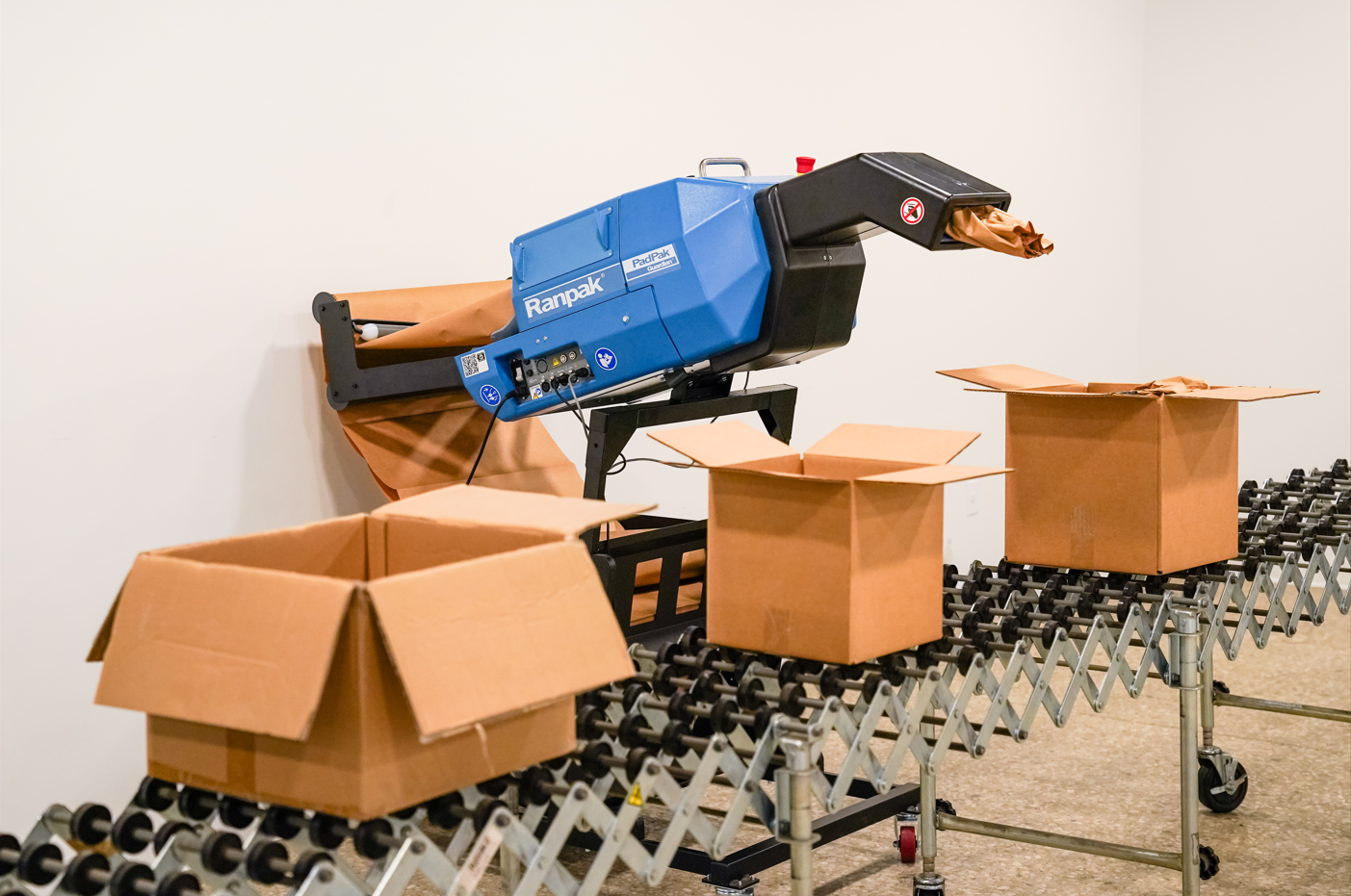
Paper is more than an eco-friendly alternative: When properly folded, crimped, or stitched, it becomes resilient and form-fitting. It can support, brace, cushion, and stabilize items of various weights and shapes. It’s also easy for packers to manipulate by hand with minimal training or orientation.
Beyond performance, the recyclability of paper means that it can be a strong choice for managing compliance with key pieces of regulation including the European Packaging & Packaging Waste Regulation (PPWR) as well as Extended Producer Responsibility requirements that have already been passed in countries around the world as well as seven US States.
For these reasons, the move to paper packaging away from plastic is often about both practicality and sustainability. Compared to plastic-based protective materials, paper:
With regulatory pressures and consumer expectations increasingly favoring environmentally responsible packaging, the strategic value of paper has only grown. But sustainability only matters if the material also works efficiently in the packing environment. That is where the innovations powering the most modern generation of paper converters become critical.
Learn more about Packaging Regulations
While the value of paper cushioning continues to expand based on the efficiency of paper converter systems, the reality of daily pack station work presents persistent challenges. The goal is not only to protect items in transit, but to do so quickly, safely, and consistently. Across warehouses, fulfillment centers, and shipping departments, several practical needs often need to be addressed.
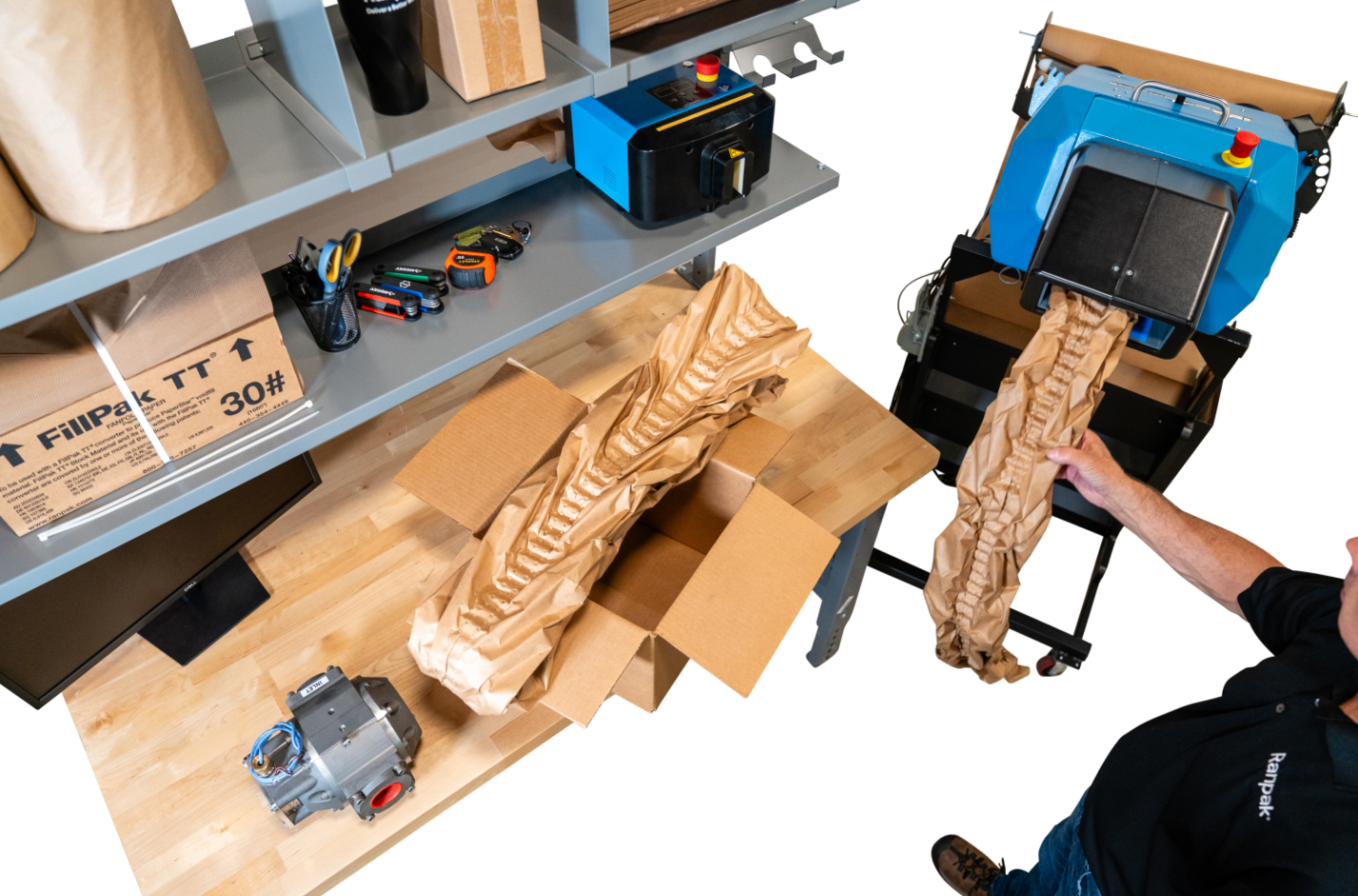
Pack stations rarely have extra room. Equipment that’s too large or awkward will slow movement and crowd other tools. In the worst cases, poorly integrated systems can create issues that lead to injuries. Packers need compact systems that help, not hinder their workflow.
Cushioning tasks can become repetitive. Tearing pads, reaching across stations, repositioning packaging, and performing the same sequence of motions for hours can cause strain. Equipment designed to reduce strain can avoid fatigue and inefficiency.
The right solutions are needed to remove the unnecessary labor in the packers’ tasks. The goal is to reduce motion and keep everything within easy reach in a well-organized layout.
Systems that are overly technical, that require frequent setup steps or demand constant operator adjustments break productivity. When packers spend cycles troubleshooting or waiting, throughput suffers. The best equipment places as few steps as possible between “start” and “packed.”
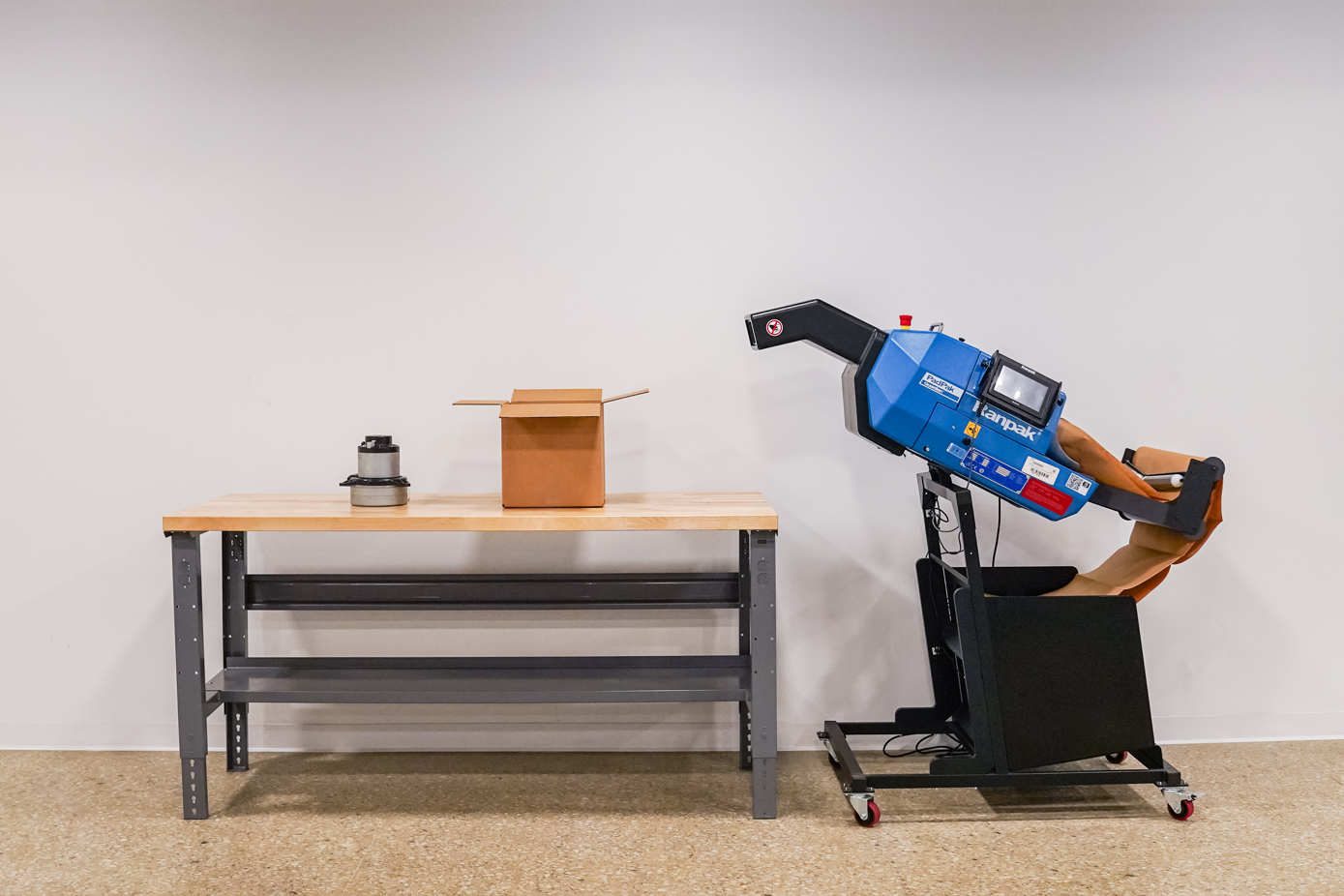
Teams are expected to minimize waste and meet evolving sustainability guidelines, which means packaging materials must perform reliably without requiring excess usage. A good cushioning system helps packers use just enough material to meet requirements.
These needs shaped the development and direction for the newest editions of Ranpak’s Guardian® converter line.
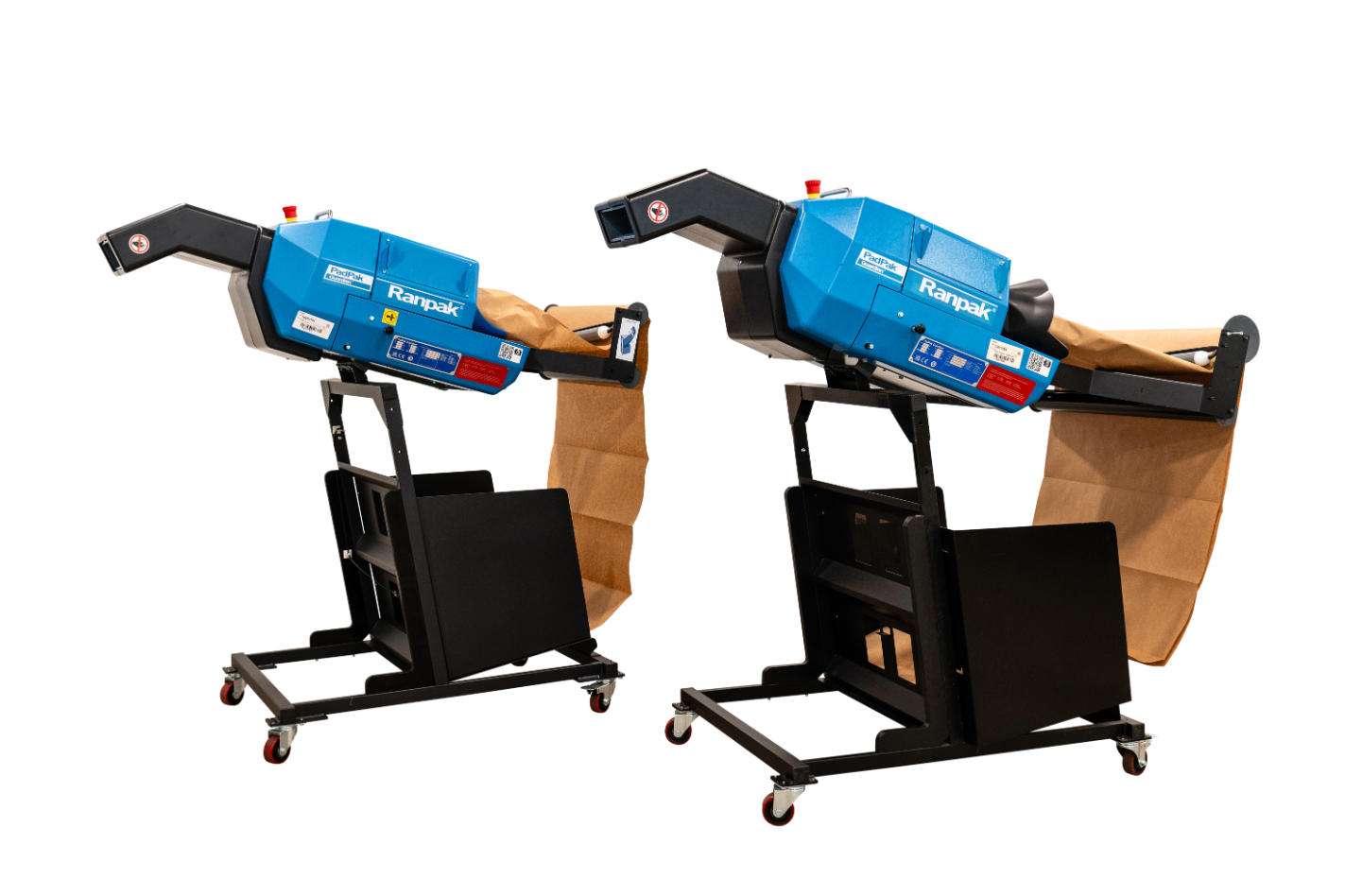
The Guardian® 24 and Guardian® 30 systems were built to fit real packaging workflows. Their capabilities reflect direct conversations with packing professionals about what actually slows them down, and what they need. Key highlights include:
Guardian’s new systems consolidate the operating space required for the production of high-quality paper cushioning material. Instead of needing large peripheral setups or repositioning around bulky dispensers, packers can place the converter where it supports the natural movement of packing. This reduces unnecessary walking, reaching, or equipment adjustments, all small improvements that add up significantly over a shift. In addition, these converters feature electronic controls that provide a key range of options for the most common packaging use-cases.
The ability to produce pads in advance helps environments where peak times or bursts of orders occur throughout the day. Batch mode lets packers create pads ahead of time so they can simply grab what they need and keep moving.
For stations that benefit from continuous replenishment, Guardian’s EDS (Electronic Delivery System) mode maintains a constant stream of finished pads. Packers don’t need to stop to create more material. A new pad is available when they reach for it after having used the one before. It’s a self-serve model that keeps the workflow smooth.
Not all items will pack optimally with a set of the same length pads. Odd-shaped, fragile, or asymmetrical industrial products often require multiple pad sizes to be properly secured. Guardian’s Recipe Mode allows operators to program a sequence of pad lengths that dispense automatically with a single command. Instead of creating and organizing pads manually, the Guardian produces the exact configuration needed for that item’s packaging method, with no need to switch settings between sizes or verify counts before getting started with the job at hand.
This both speeds up packing and improves consistency between packers.
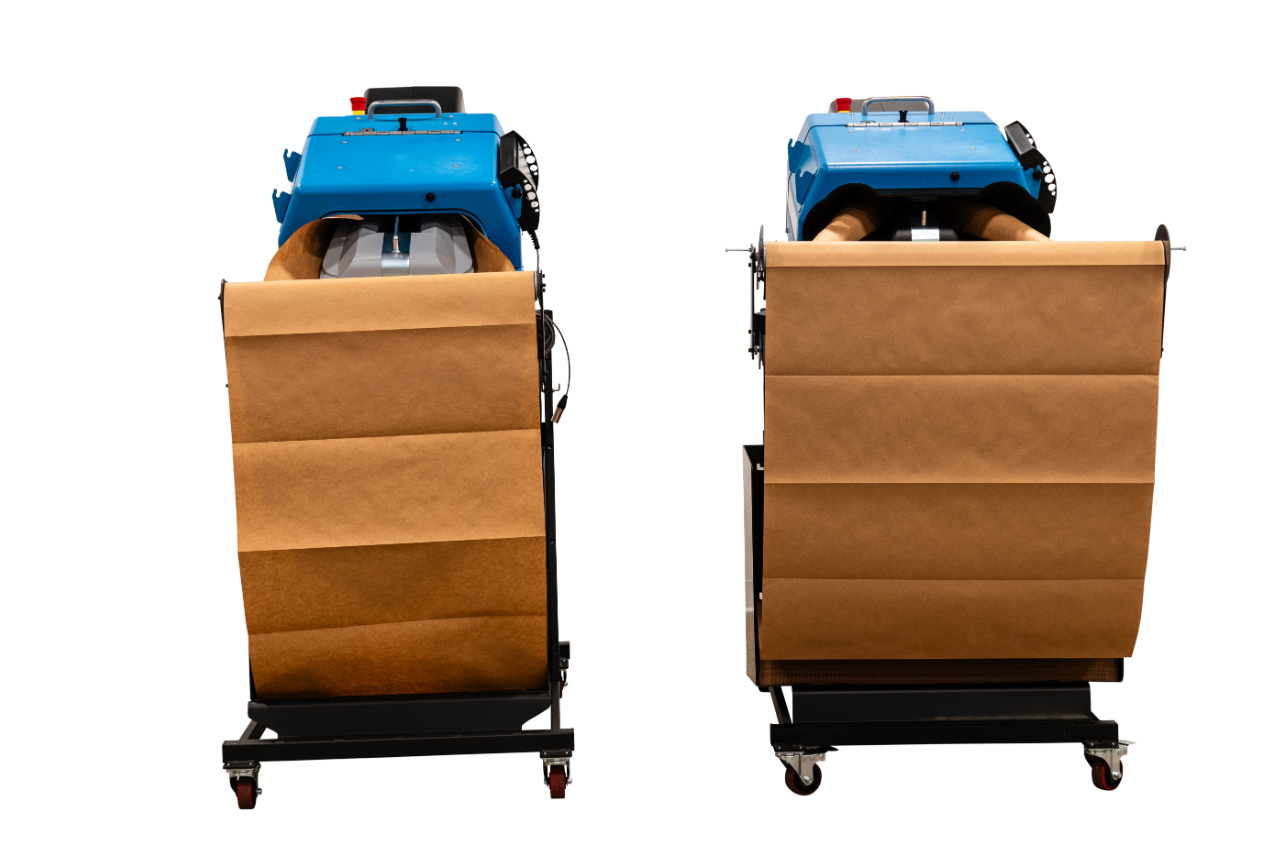
If packers have to wrestle with complicated menus or frequent reloading, productivity stalls. The Guardian® 24 and Guardian® 30 feature:
A large standard paper cart means that multiple bundles can easily be spliced and set up to dispense. These improvements are about saving seconds that compound into hours of regained productivity.
The job of a packer is not static, and the environment around them keeps shifting with increasing order volumes, growing SKU diversity, tighter sustainability requirements, and pressure to reduce labor strain. Incremental improvements in workstation efficiency are often what determine whether operations stay smooth or fall behind.
The Guardian 24 and Guardian 30 converters take what Ranpak has always believed in, namely high-performance paper cushioning and making it more practical to use, easier to load, faster to dispense, and better suited for modern workflows.

You are now leaving the Ranpak website. The website you will be entering is not owned or operated by Ranpak and/or its subsidiaries. The content, products and information contained on third party websites are not owned or controlled by Ranpak and/or any of its subsidiaries. Therefore, Ranpak makes no representations about, does not endorse or adopt, and is not responsible or liable for damages relating to the third party, its products or services, its website, its privacy policies or practices, or the content of the third party website.

