

The pace of innovation in cold chain shipping has accelerated in recent years, with more sustainable alternatives challenging the extensive use of EPS (Expanded Polystyrene or Styrofoam) containers. Similarly, biologically-based options are becoming available to replace chemical Phase Change Materials (PCMs), used to provide direct cooling during the shipment of temperature-sensitive items such as food and pharmaceuticals. While it’s true that EPS containers offer thermal resistance that can be warranted for certain medical shipping applications, there are a broad range of cold chain shipping scenarios where they are not needed and the environmental impact of their plastic construction and low recyclability can be avoided. The EPS recycling rate was estimated at 31% in North America in 2022, less than half the 67.9% paper recycling rate in the US during the same year.
The use of EPS within distribution centers and facilities also brings issues of storage space, not able to be constructed on-demand, and challenging to discard responsibly, typically ending up in a landfill. This creates downstream costs that are not initially accounted for, including higher waste handling fees for customers and expensive and complex operations for reverse logistic for reuse. While some pharmaceutical and food shipments demand lengthy deep freezing, many do not. It’s time for the medical and pharmaceutical industry to reevaluate the full range of options, rather than letting cold chain packaging remain a blind spot.
Medical and Pharma Cold Chain: Precision, Regulation, and Complexity
EPS-based containers have well-tested reliability that makes them appropriate for regulated and controlled medical shipments, including those defined by the World Health Organization Good Distribution Practices (GDP) as well as guidance by the U.S. Food and Drug Administration and US Centers for Disease Control and Prevention. These containers are currently the most effective for frozen (≤ −20 °C) and extended-duration shipments where lanes are long or unpredictable.
However, there are many areas where EPS is not required for the job at hand, including the majority of situations where lengthy deep freezing is not needed. These are shipments where the use of paper packaging for cold chain can deliver benefits in terms of reducing costs and manual handling, delivering opportunities for using less packaging materials, and improving customer acceptance by making disposal simpler. These are all short duration, predictable deliveries, often occurring on-demand.
Short-Duration Shipments
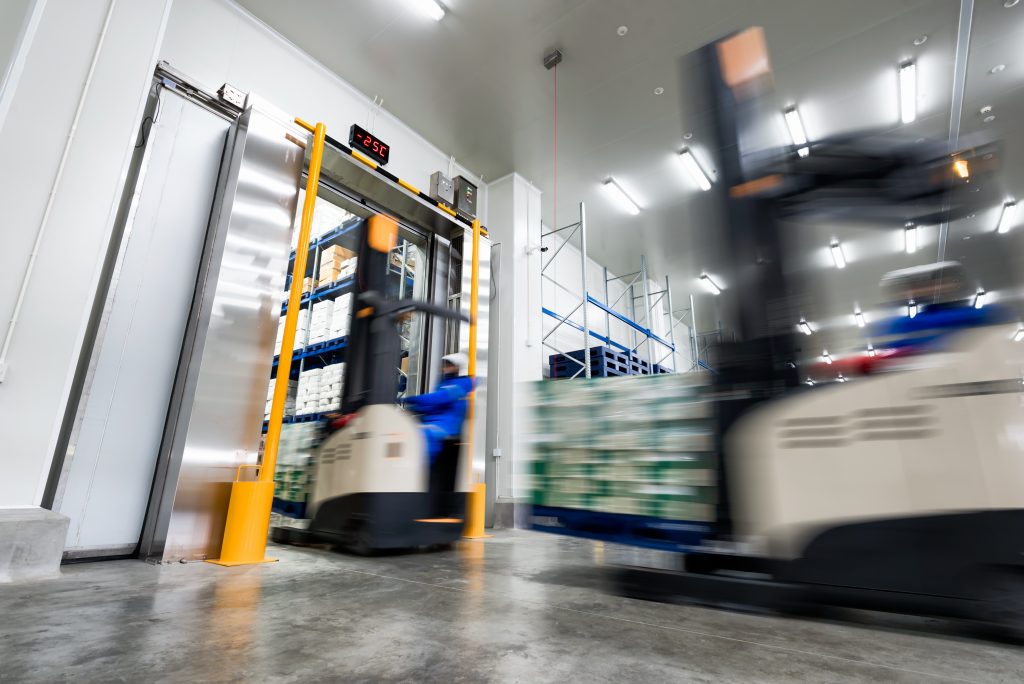
Paper-based cold chain packaging solutions are especially suited for short shipments such as inter-facility transfers, where transit times are predictable and exposure conditions are controlled. Shipments between manufacturing sites, within campuses, laboratories, or nearby healthcare facilities, within well-known time windows reduce the need for heavy, long-duration insulation. Because these lanes are recognized and repeatable, packaging can be precisely matched to the thermal profile required, allowing paper-based systems to deliver high-quality performance while supporting sustainability goals and simplifying disposal at the receiving facility.
Last-Mile Delivery of Medical and Pharmaceutical Cold Chain Shipments
When transit durations are typically short and delivery routes are tightly controlled, the use of paper-based cold-chain packaging for medical and pharmaceutical cold chain shipments can be highly effective. These shipments, such as specialty pharmaceuticals, diagnostic kits, and clinical trial materials, often move from local distribution centers to hospitals, pharmacies, or directly to patients within hours rather than days. Engineered paper thermal liners and molded fiber insulation used in combination with phase change materials (PCMs) or cool packs, can maintain required temperature ranges throughout the final leg of transport while reducing packaging weight and improving recyclability.
Specialty Nutrition Kit Deliveries
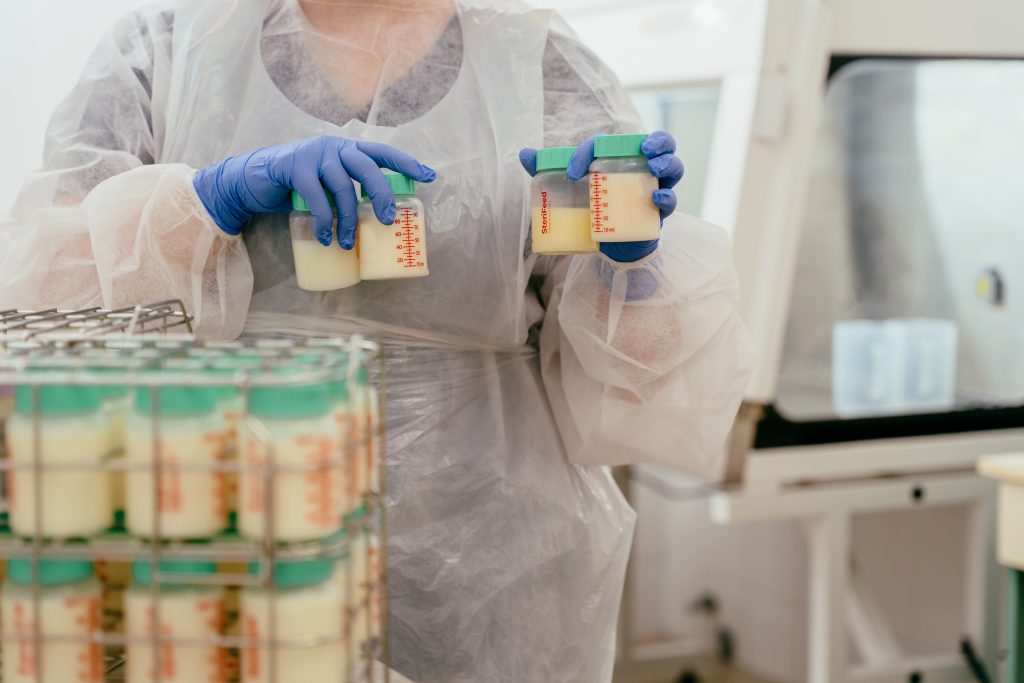
Temperature-sensitive products such as metabolic nutrition formulas, probiotic therapies, or personalized medical nutrition delivered directly to clinics or patients will often be sent in EPS containers even if they do not require high-grade refrigeration. These shipments typically follow predictable distribution patterns and only necessitate reliable temperature maintenance over shorter known durations, making them compatible with paper-based solutions. These provide sufficient thermal protection while offering important advantages in recyclability, reduced material weight, and easier disposal for patients and healthcare providers.
Learn more about cold chain solutions for shipping perishable food
Paper is Perfect for a Broad Range of Cold Chain Applications
Paper-based cold chain packaging solutions have evolved significantly over time, delivering controlled and tested thermal systems capable of supporting temperature-sensitive shipments for up to 72 hours in defined scenarios. Recent innovation has produced engineered paper insulation with controlled air pockets and fiber orientation that slows heat transfer far more effectively than standard corrugate.
Molded fiber has followed a similar path, moving beyond protective trays into insulating forms that provide repeatable geometry, consistent wall thickness, and better pack-out control. At the same time, paper-based thermal liners designed to fit inside standard shipping cartons have enabled paper solutions to compete directly with EPS for short- to mid-duration cold chain lanes.
An important development, however, has been toward hybrid designs: paper insulation paired with PCMs (phase change materials) that actively manage temperature while paper manages heat flow, structure, and sustainability. This systems-level approach reflects a broader maturation of paper in the cold chain—not as a standalone substitute for foam, but as a deliberately engineered component within validated, right-sized packaging solutions.
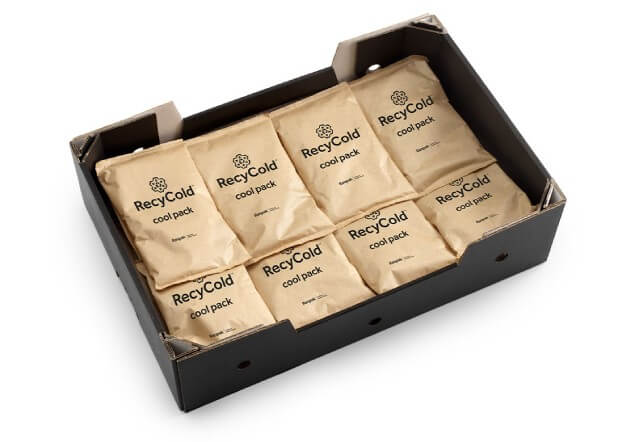
Colloquially known as cool packs, PCMs are also being looked at with an eye towards sustainability. Replacing chemical materials with bio-based gel allows the contents of each cool pack to be more easily disposed of, which in turn can allow paper-based shells to be recycled along with regular wastepaper collection.
Paper is the Future of Cold Chain Packaging Solutions
Cold chain packaging has always evolved in response to changing demands and available technologies, and today that evolution is being driven by the need for smarter and more circular solutions. Relying on EPS solutions contributes to the use of a material that constitutes more than 30% of global trash volume, even though it represents less than 1% of its mass because of its extreme bulkiness.
As cold chains become increasingly predictable, data-driven, and focused on affordability and sustainability, paper materials are being selected for a combination of performance and how well they fit into real shipping conditions and end-of-life expectations.
Paper will continue to gain share in cold chain applications as these dynamics accelerate, particularly as engineered paper insulation, thermal liners, and hybrid paper-PCM systems address challenges once thought to be the exclusive domain of foam and plastics. Using paper for cold chain packaging doesn’t need to be a compromise between sustainability and performance. Instead, the right packaging configurations will balance thermal performance, operational efficiency, and sustainability in a way that aligns with business priorities like cost and regulatory compliance.
Our Cold Chain Testing Process Starts with Your Unique Needs
Ranpak’s tradition of innovation in paper solutions includes cold chain applications. We focus on delivering solutions that are 100% recyclable, with excellent thermal protection for up to 72 hours, making them suitable for specialty food, pharma and grocery deliveries. This makes them ideal solutions for transporting specialty nutrition or for delivery of climate-controlled items within a healthcare system within that 72-hour window of optimal protection.
Paper packaging configurations can be tailored to the local climate range via testing, with the addition of more PCMs to support deeper or longer levels of cooling. Ranpak hosts a complete testing facility with a climate room that is able to replicate the temperature and humidity of any environment that a package will encounter, using models based on the international Safe Transit Association (ISTA) standardized testing profiles that can be used to compare the performance of different container designs.
Ranpak’s packaging engineers are always standing by to help you deliver the freshest products possible to your customers while making it easy for them to reuse and recycle their packaging.


